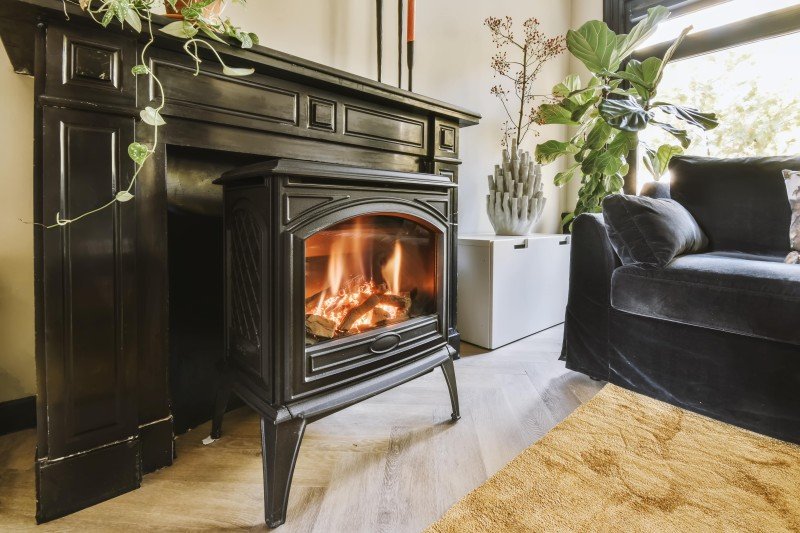
Energy Efficient Fireplaces For Sale Tips From The Best In The Business


Energy Efficient Fireplaces For Sale: A Comprehensive Guide
In current years, the focus on energy efficiency in home heating has actually intensified due to increasing energy expenses and increasing ecological issues. Energy-efficient fireplaces use a sustainable option to traditional heating methods, delivering warmth and atmosphere without the extreme fuel consumption related to conventional fireplaces. This post looks into the advantages of energy-efficient fireplaces, checks out the different types readily available, supplies valuable buying pointers, and answers regularly asked questions.
The Benefits of Energy Efficient Fireplaces
Energy-efficient fireplaces offer many benefits that extend beyond simple heat. Here are some key advantages:
- Reduced Energy Consumption: These fireplaces consume less fuel while producing an equivalent amount of heat, making them cost-efficient.
- Lower Emissions: With innovative technology created to burn fuel more totally, energy-efficient fireplaces significantly reduce damaging emissions.
- Improved Home Value: Installing a modern, energy-efficient fireplace can increase a home's resale value and aesthetic appeal.
- Increased Heating Capacity: Many energy-efficient designs supply much better heating protection, focusing warmth in larger areas compared to traditional alternatives.
- Design Versatility: Available in different designs, energy-efficient fireplaces can complement any interior décor design.
- Alternative Fuel Options: Many energy-efficient fireplaces can run on renewable resources such as wood pellets, bioethanol, or gas.
Types of Energy Efficient Fireplaces
Choosing the right energy-efficient fireplace for a home depends upon private preferences, space restraints, and heating needs. Below are the most common kinds of energy-efficient fireplaces available for sale:
| Fireplace Type | Description | Efficiency Rating |
|---|---|---|
| Gas Fireplaces | Direct vent fireplaces that utilize natural gas or lp for effective heating. | 70-90% |
| Wood-Burning Stoves | Developed to burn wood efficiently, these stoves consist of secondary combustion systems. | 65-85% |
| Pellet Stoves | Usage compressed wood or biomass pellets, instantly feeding them into the burn chamber. | 80-90% |
| Electric Fireplaces | Provide heat through electric coils; have the advantage of being simple to set up and preserve. | 100% (Heating Element) |
| Bioethanol Fireplaces | Produce flame through burning bioethanol; frequently vent-free and simple to set up. | Differs by design |
Purchasing Tips for Energy Efficient Fireplaces
When purchasing an energy-efficient fireplace, one should consider the following:
- Understand Heating Requirements: Determine the heating requirements of your space. Examine room size and insulation levels to pick the proper design.
- Inspect for Certifications: Look for designs certified by pertinent requirements companies (e.g., EPA, UL) that verify their efficiency and security.
- Consider Local Regulations: Check your locality's policies regarding fireplace installation, especially for wood-burning designs.
- Evaluate the Fuel Options: Determine the most affordable and hassle-free fuel source for your way of life, whether it be gas, pellets, electrical energy, or bioethanol.
- Focus on Features: Look for features like programmable thermostats, push-button controls, and fan systems that can further boost efficiency and benefit.
- Look For Professional Installation: Proper installation is essential for efficiency and security. Always consult reputable installers familiar with energy-efficient models.
FAQs About Energy Efficient Fireplaces
1. How do Fireplaces And Stove -efficient fireplaces minimize heating costs?
Energy-efficient fireplaces take in less fuel and offer the exact same or often more heat than traditional models. This efficiency equates to reduce heating costs over time.
2. Are energy-efficient fireplaces easy to keep?
Yes, while regular cleansing and maintenance are vital, many energy-efficient models are simpler to preserve than traditional wood-burning fireplaces. Gas fireplaces generally need less upkeep.
3. Can I use my existing chimney with an energy-efficient fireplace?
Not always. Some energy-efficient designs need chimney modifications or specific venting solutions. Consult a professional installer to assess your situation.
4. How do I pick between gas and wood-burning fireplaces?
Consider aspects such as visual appeals, ease of use, heating choices, fuel availability, and local emission guidelines when deciding in between gas and wood-burning fireplaces.
5. Are electric fireplaces energy-efficient?
While electric fireplaces are 100% efficient at converting electrical power into heat, they may not be the most affordable alternative depending upon local electricity rates. However, they are low upkeep and simple to set up.
Buying an energy-efficient fireplace is a clever choice for homeowners wanting to reduce their heating expenses while making an environmentally friendly choice. As developments in innovation continue, the range and efficiency of energy-efficient fireplaces will only improve, ensuring that consumers can take pleasure in convenience and warmth without guilt. By evaluating private requirements, comprehending offered choices, and following expert suggestions, property owners can find the perfect energy-efficient fireplace that improves their home and offers dependable, sustainable warmth for many years to come.
Exploring the options currently readily available in the market, combined with notified decision-making, will lead to an energy-efficient fireplace that fulfills both budgetary and aesthetic preferences. As energy efficiency becomes more crucial in modern living, these innovative fireplaces stand as a testimony to the possibilities of integrating design, comfort, and sustainability.